Are there any quality differences between Hankook tires produced in the facilities in Korea, China, or Hungary?
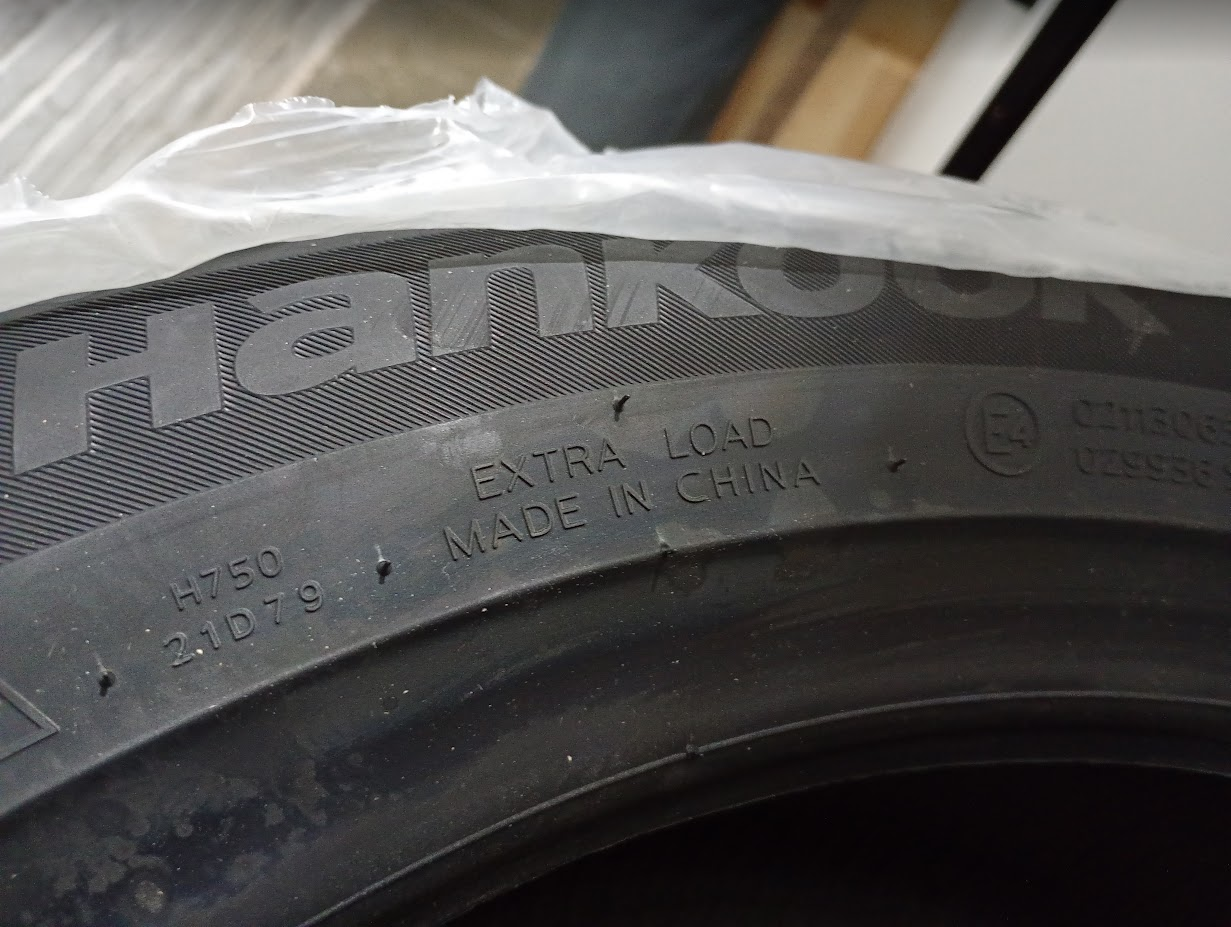
I just bought new Hankook (Autobanden Hankook Kinergy 4S2 (H750)) tires like previous year and the new ones are produced in China. Previous year same tires are made in Korea.
Made me wonder how come the same product different production site and are any differences, I decided to follow the EU label number of the tires and found Supplier name “Hankook Tire Europe GmbH” and e-mail of the Customer care service.
Wrote them a question and here is the answer.
Hello Mr Fanfani,
Except for the plant location, there are no differences between any of our facilities (Korea, China, or Hungary). Every tire with the same specifications meets the same quality standards.
The EU label values are identical.
Let’s see on the road.
Where are Hankook tires made?
- Korea
- Hungary
- USA
- China
- Indonesia
Check them out
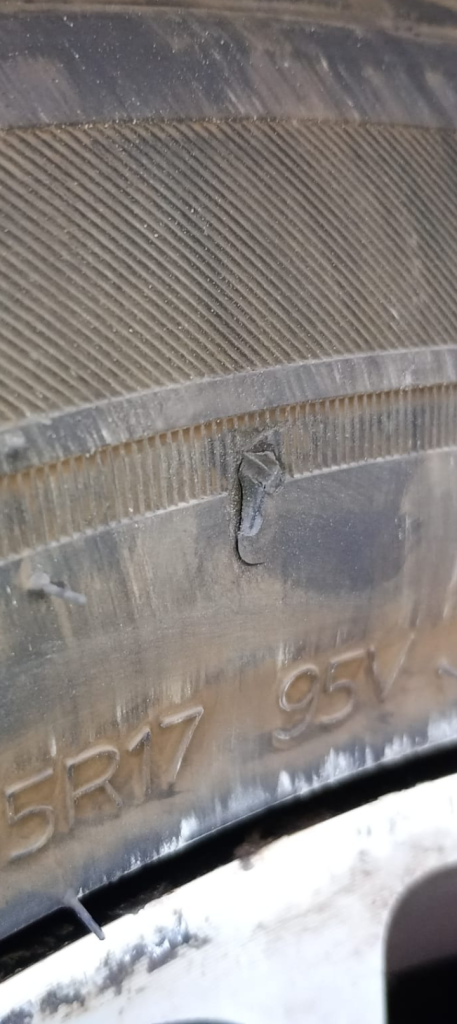
Sidewall Hankook
Sidewall of the tire is very sensitive comparing with the continental which i used for 7 years.
Easily you will need to change the tires if you just lean them against the sidewalk in the perfect angle.
My experience after ONE year – 1500km driving
Hankook Kinergy 4S² H750 (205/55 R17 95V XL , SBL)
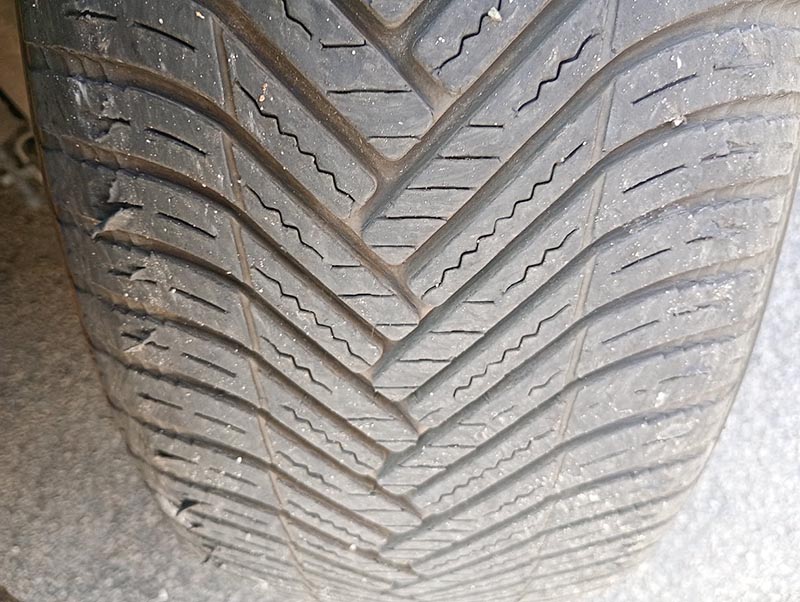
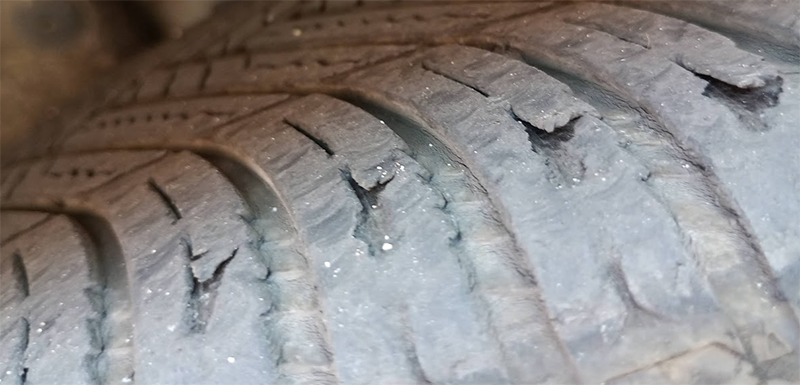
Overview: 1 Year, 15,000 km in Belgium
- The Situation: After one year of all-season driving (covering 15,000 km) on Belgian roads, only your front tires are showing significant wear or “damage.”
- The Technician’s Verdict: This is entirely normal.
Why Only the Front Tires?
All-season tires are a great choice for Belgium’s unpredictable weather, but they wear out faster on the front axle for a few specific reasons:
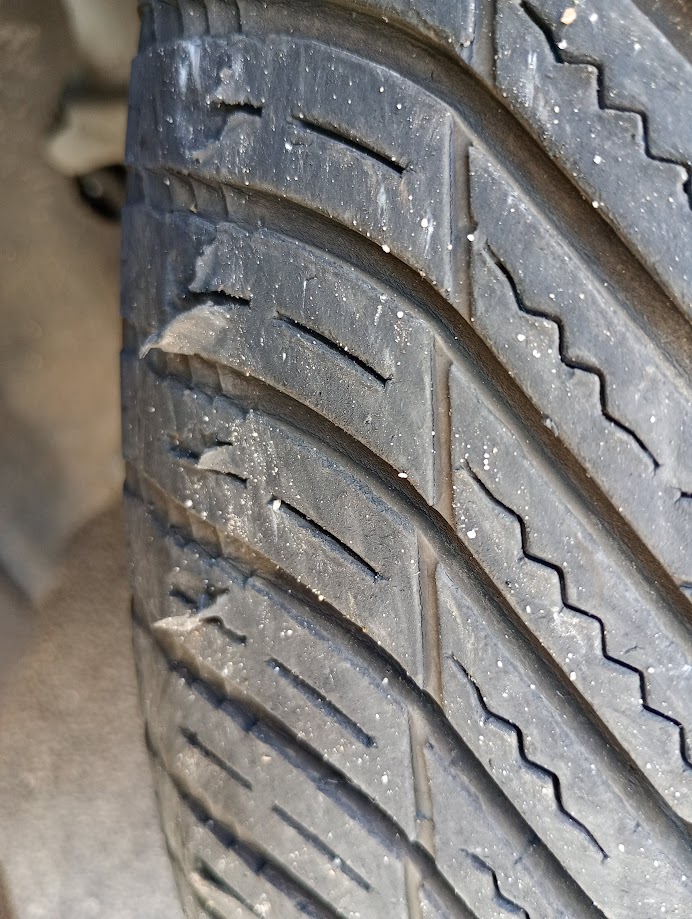
- The “Heavy Lifting” Axle: In most standard cars, the front tires handle steering, most of the braking power, and the engine’s power delivery (Front-Wheel Drive).
- Softer Rubber Compound: All-season tires use a rubber compound that stays flexible in freezing winters but is soft enough for summer. Driving 15,000 km on this softer rubber—especially during warmer months—will absolutely show noticeable “traces of use.”
- Belgian Roads & Weather: Frequent rain, roundabouts, and stop-and-go traffic put extra friction and stress on the front steering tires.
Pro-Tips for All-Season Tires
The Golden Rule: Tire Rotation To prevent the front tires from wearing out way ahead of the rears, it is highly recommended to rotate your tires (move front to back) every 10,000 to 12,000 km.
15,000 km, if the front tires are still legally safe (above 1.6 mm tread depth, though 4 mm is recommended for winter safety), Swap them to the back. This ensures all four tires wear down evenly over time and extra Wheel Alignment.
My opinion of this tires, don’t let them trick you twice.
Don’t ever use AI to inform you of safety of the car. Avoid AI in any case scenario.